Why Do My Feet Hurt More in Winter?
/Every year around this time we notice a change in the types of foot problems walking through the clinic door.
Heel pain starts to pick up again. We see more pain in the ball of the foot, more irritated nerves such as Morton’s neuroma, and an increase in ingrown toenails.
So, is winter actually bad for your feet?
Not necessarily—but the way we change our footwear can be.
What Changes During Winter?
In Queensland, we’re lucky enough to wear sandals and open shoes for much of the year.
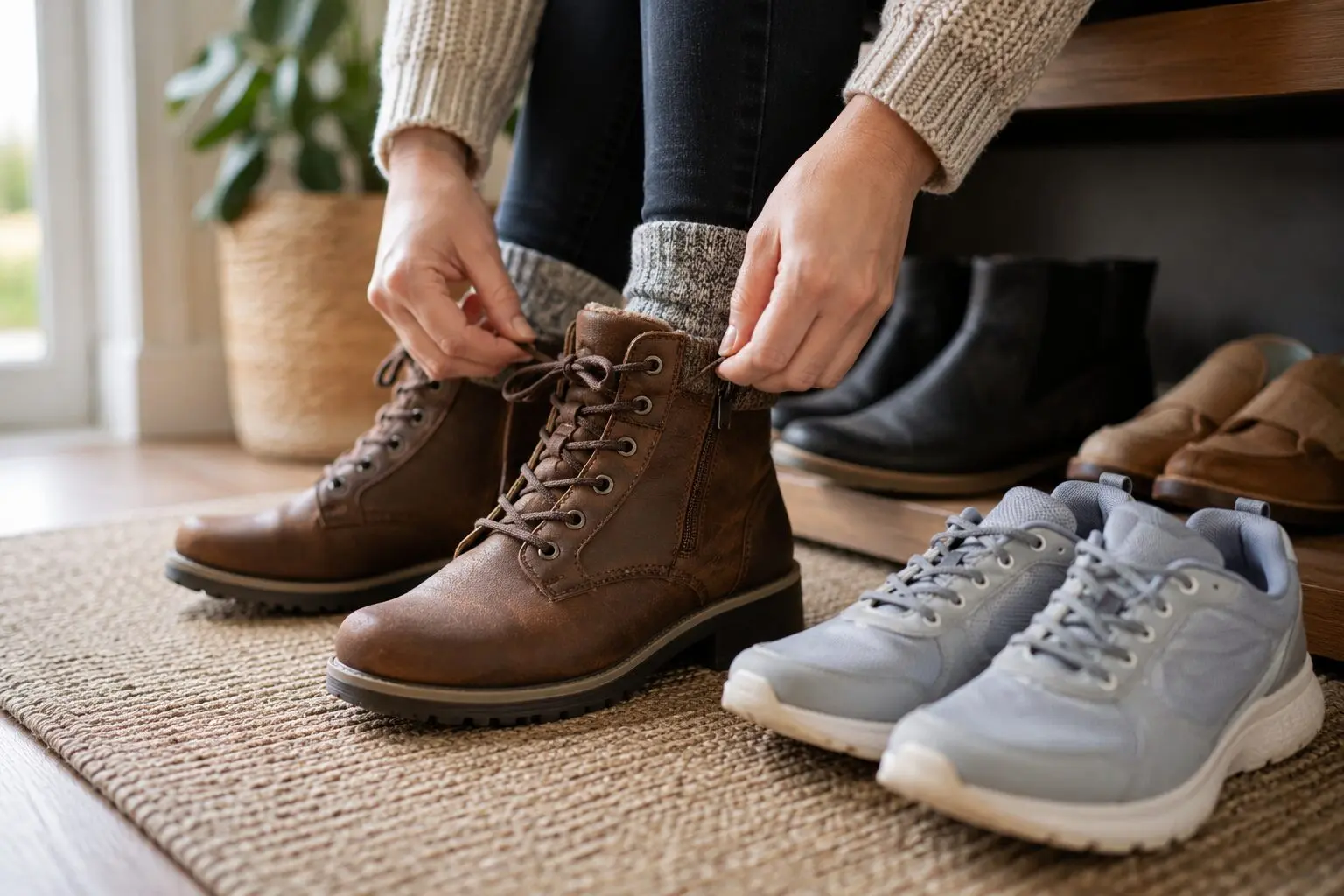
Then winter arrives and, almost overnight, many people swap into joggers, leather shoes or boots. Add a pair of thicker socks and suddenly the foot has a lot less room than it did a few weeks earlier.
Most people don’t think much about it because the shoes don’t necessarily feel tight.
But they may still be placing more pressure across the forefoot than your feet have been used to.
The Ball of Your Foot Takes the Pressure
One of the more common problems we see is pain through the ball of the foot.
Sometimes this is simply overload.
Other times, the nerves between the toes become irritated, producing burning pain, tingling or numbness. Many people describe it as feeling like they’re standing on a pebble or that their sock has bunched up inside the shoe.
Shoes aren’t always the sole cause, but footwear can certainly contribute.
It’s Not Just Neuromas
Winter footwear can also aggravate several other conditions.
We commonly see:
- Ingrown toenails from increased pressure on the nail edges.
- Bunion pain from narrower toe boxes.
- Callus under the forefoot due to increased loading.
- Heel pain when people return to walking or exercise after becoming less active.
Often, there isn’t one single cause. It’s the combination of slightly tighter shoes, thicker socks and changes in activity that tips things over the edge.
A Quick Check You Can Do at Home
If you’ve started noticing foot pain recently, have a look at the shoes you’re wearing most often.
Ask yourself:
- Do they feel tighter than my summer shoes?
- Am I wearing thicker socks?
- Can I comfortably wiggle my toes?
- Does the pain improve when I take the shoes off?
Sometimes a small footwear change can make a surprisingly big difference.
Before Buying Another Pair of Shoes
It can be tempting to assume the answer is simply to buy a wider, softer or more supportive pair of shoes.
Sometimes that does help—but before spending money on another pair, it is worth working out why the foot is sore.
The problem may be related to the fit of the shoe, but it may also involve the way the foot is loading, irritation of a nerve, reduced movement in a joint or a change in activity. In many cases, it is a combination of the foot and the footwear rather than one or the other.
Identifying the cause first gives you a much better chance of choosing the right shoe, rather than adding another uncomfortable pair to the cupboard.
When Should You Get It Checked?
If the pain is persistent, getting worse, or changing the way you walk, it’s worth having it assessed.
Many foot problems respond well to relatively simple treatment when caught early. The longer you continue to compensate or alter your walking, the more difficult they can become to settle.
If you’re unsure whether your footwear is contributing to your symptoms, we’d be happy to assess both your feet and your shoes at your next appointment.